


Our Mission
A first aider in every house, starting with the young people who live in it.
Our Mission

The Ladder
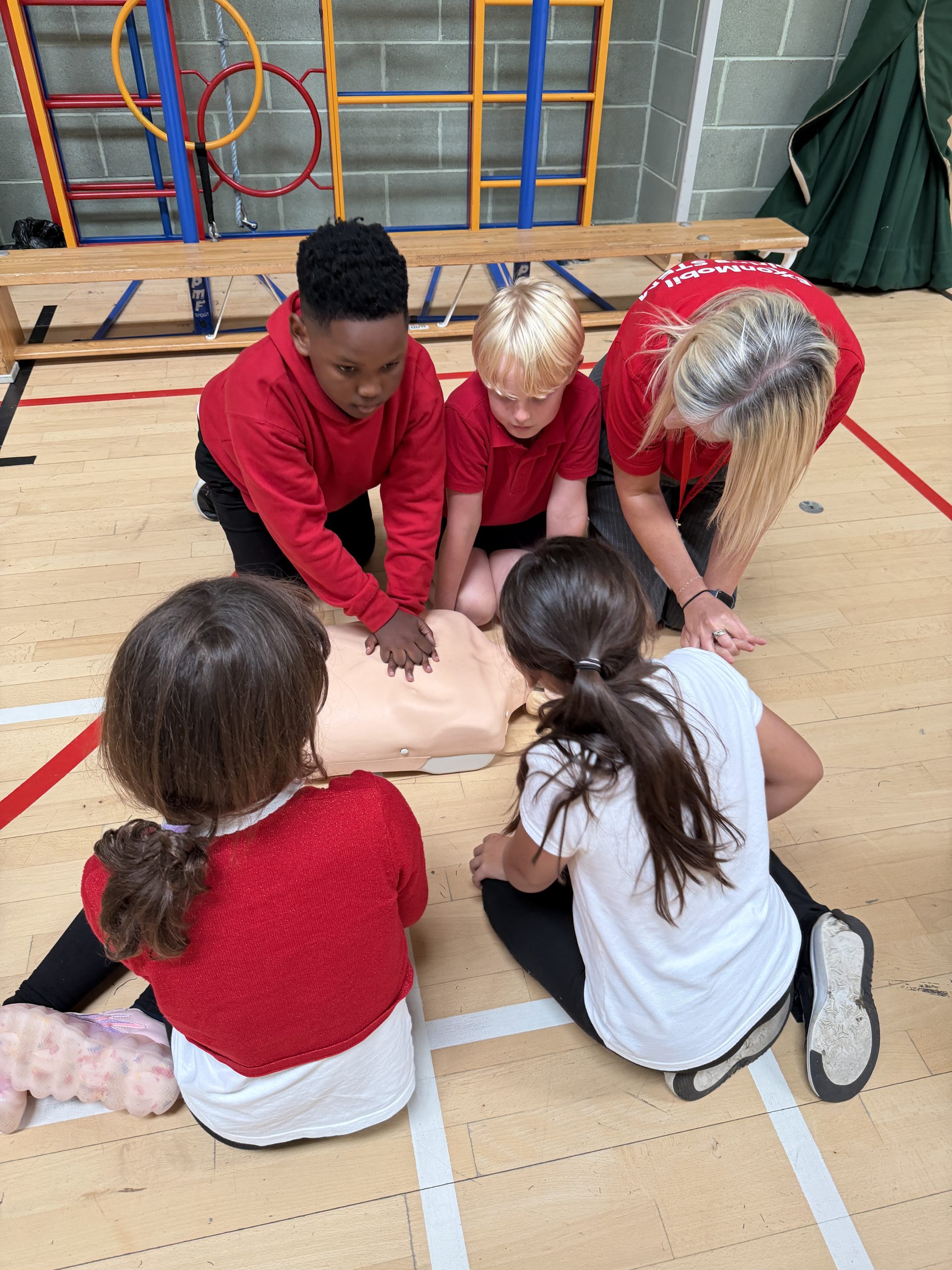
Recognise, React, Respond, then qualify. A pupil can start at seven and leave school at eighteen holding a recognised first aid qualification.
The Ladder

Our Instructors
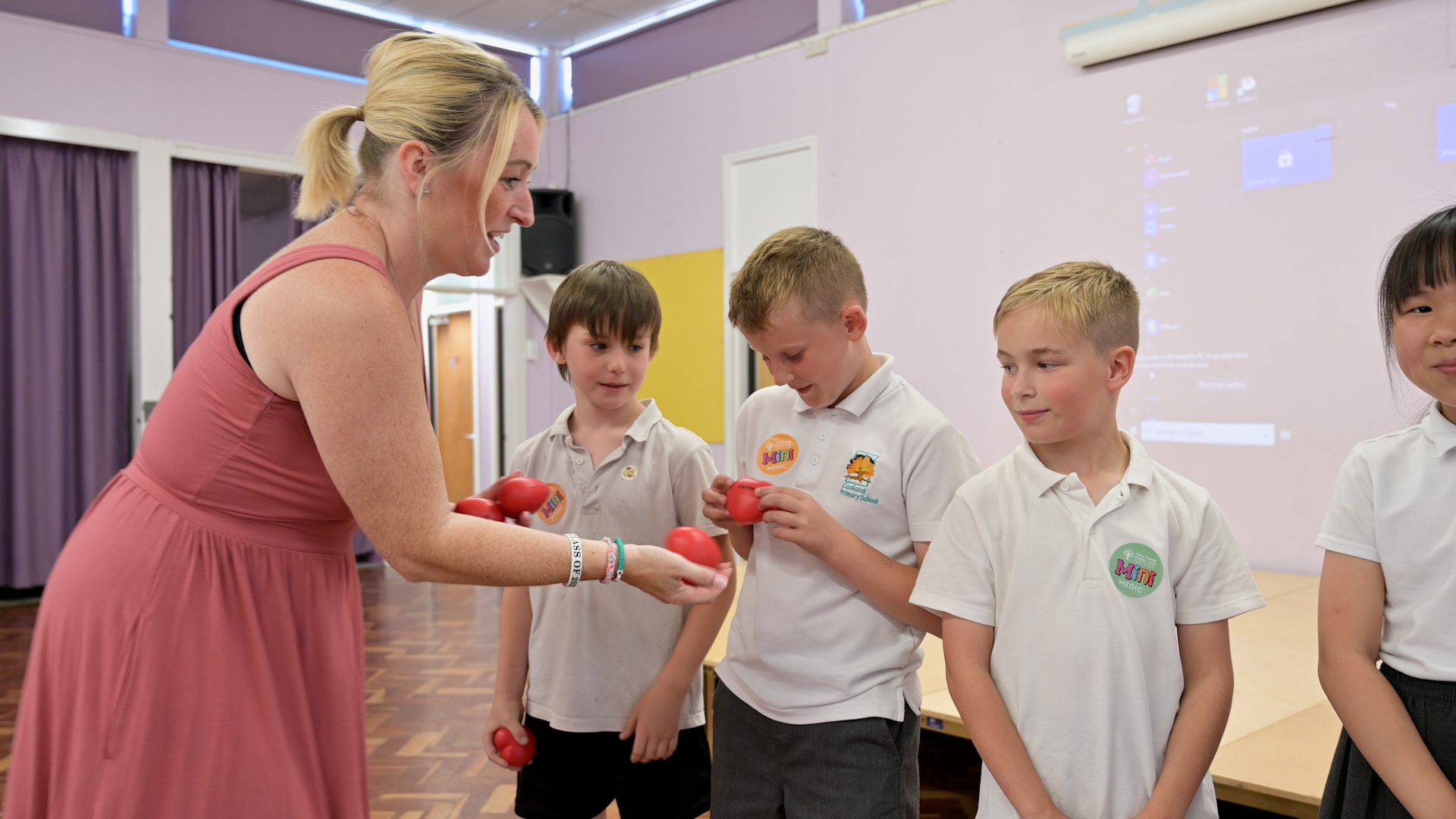
Our instructors are qualified first aid professionals who know how to make learning engaging and memorable for young people.
Our Instructors
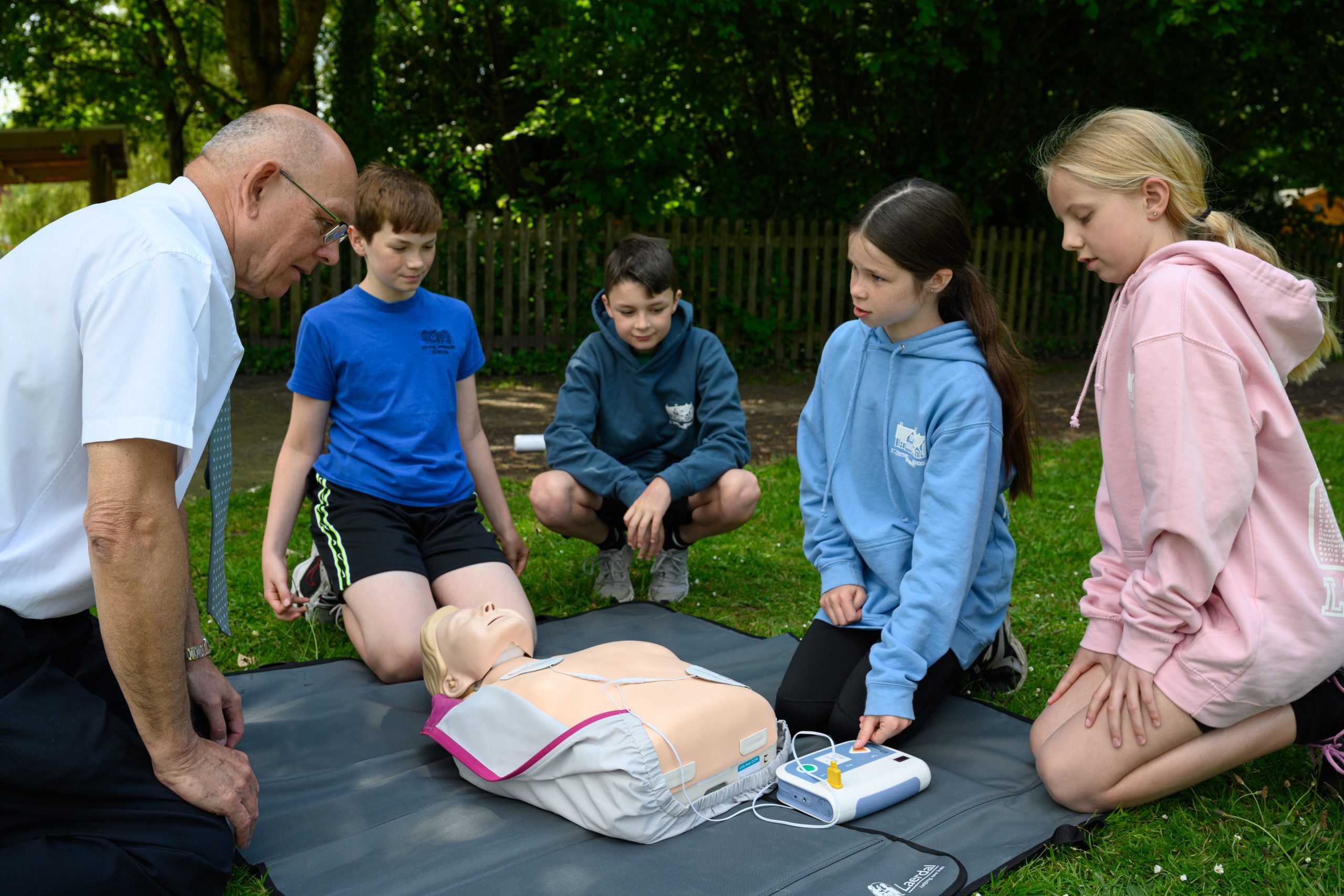
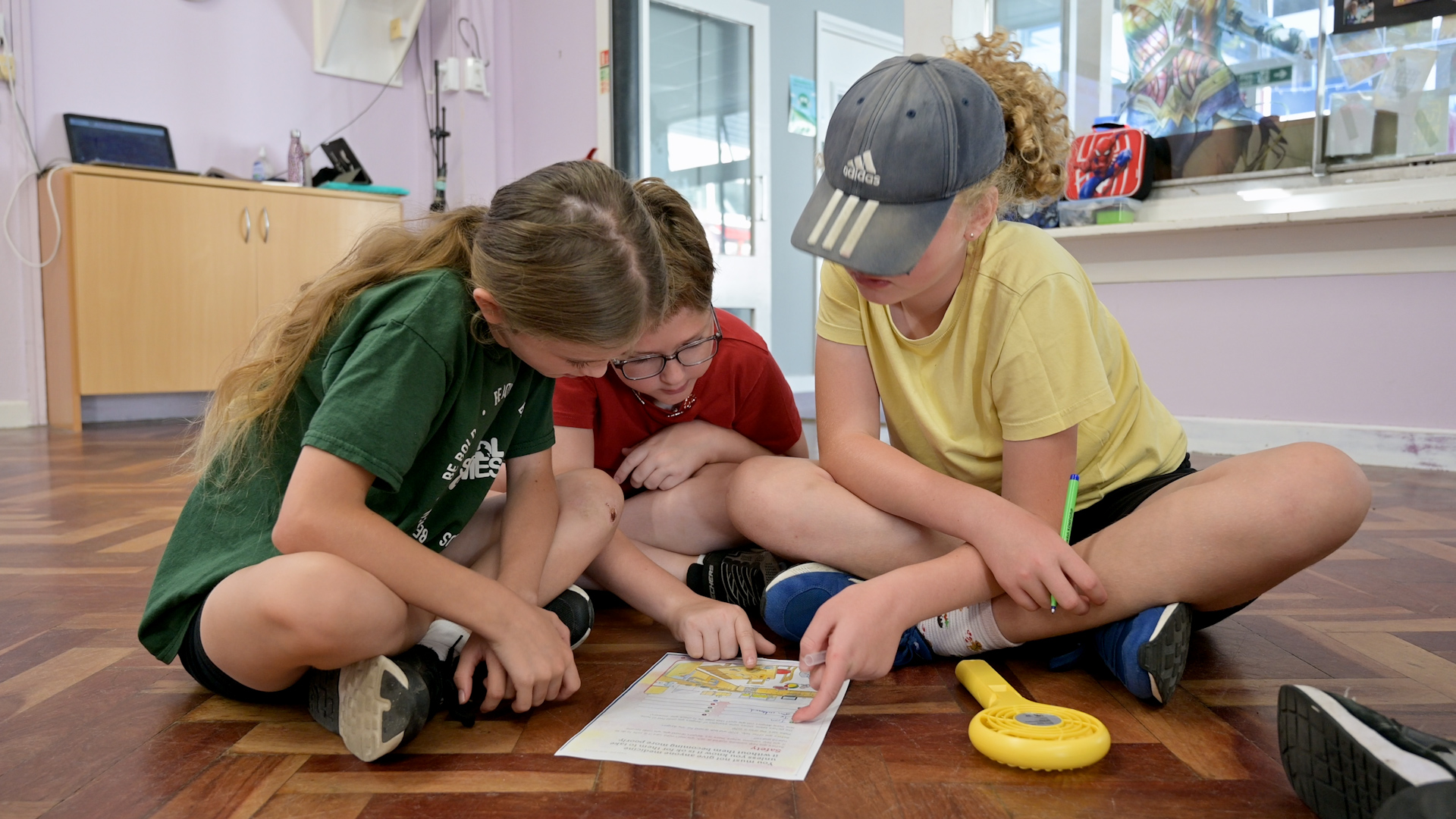
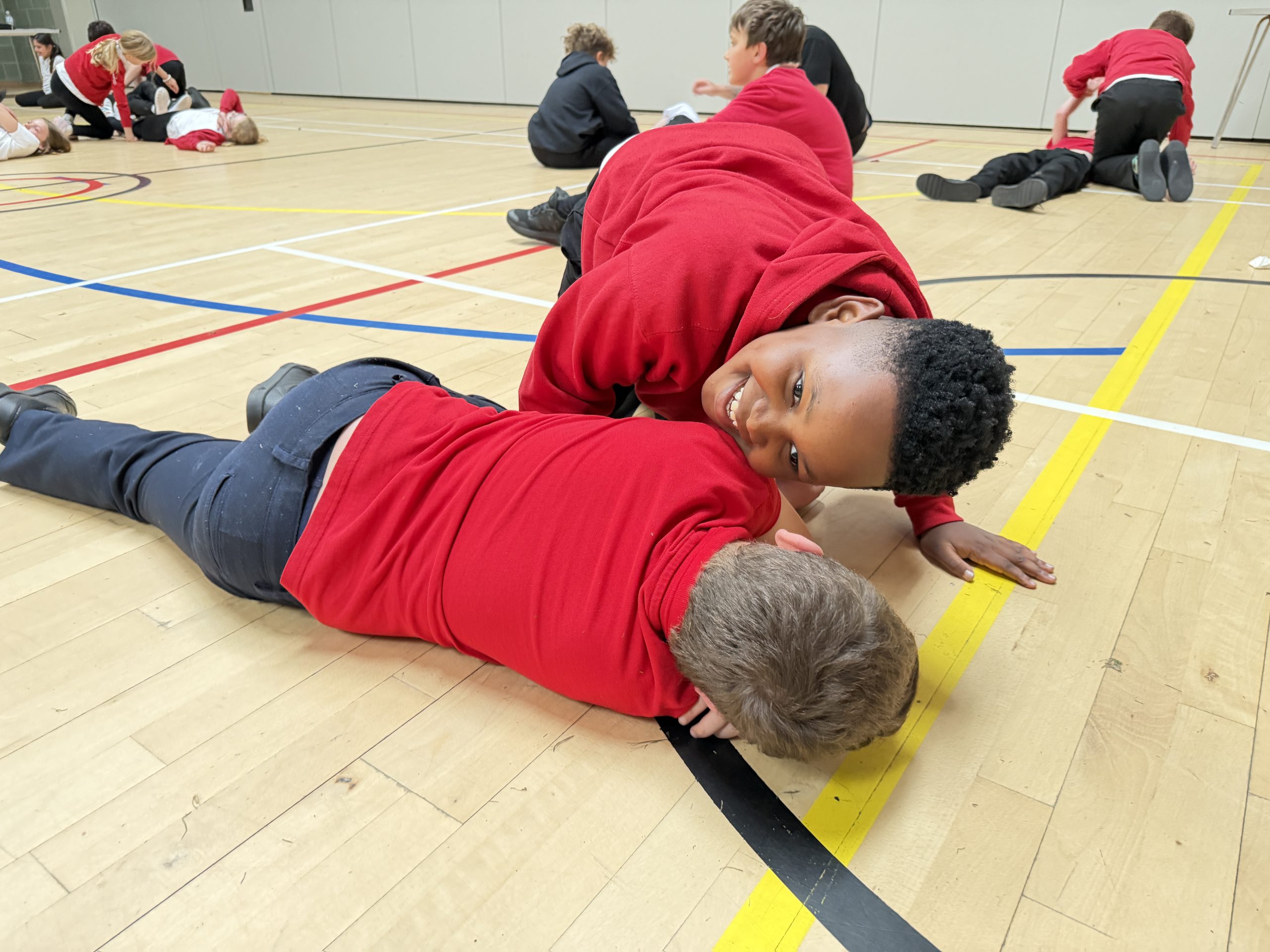
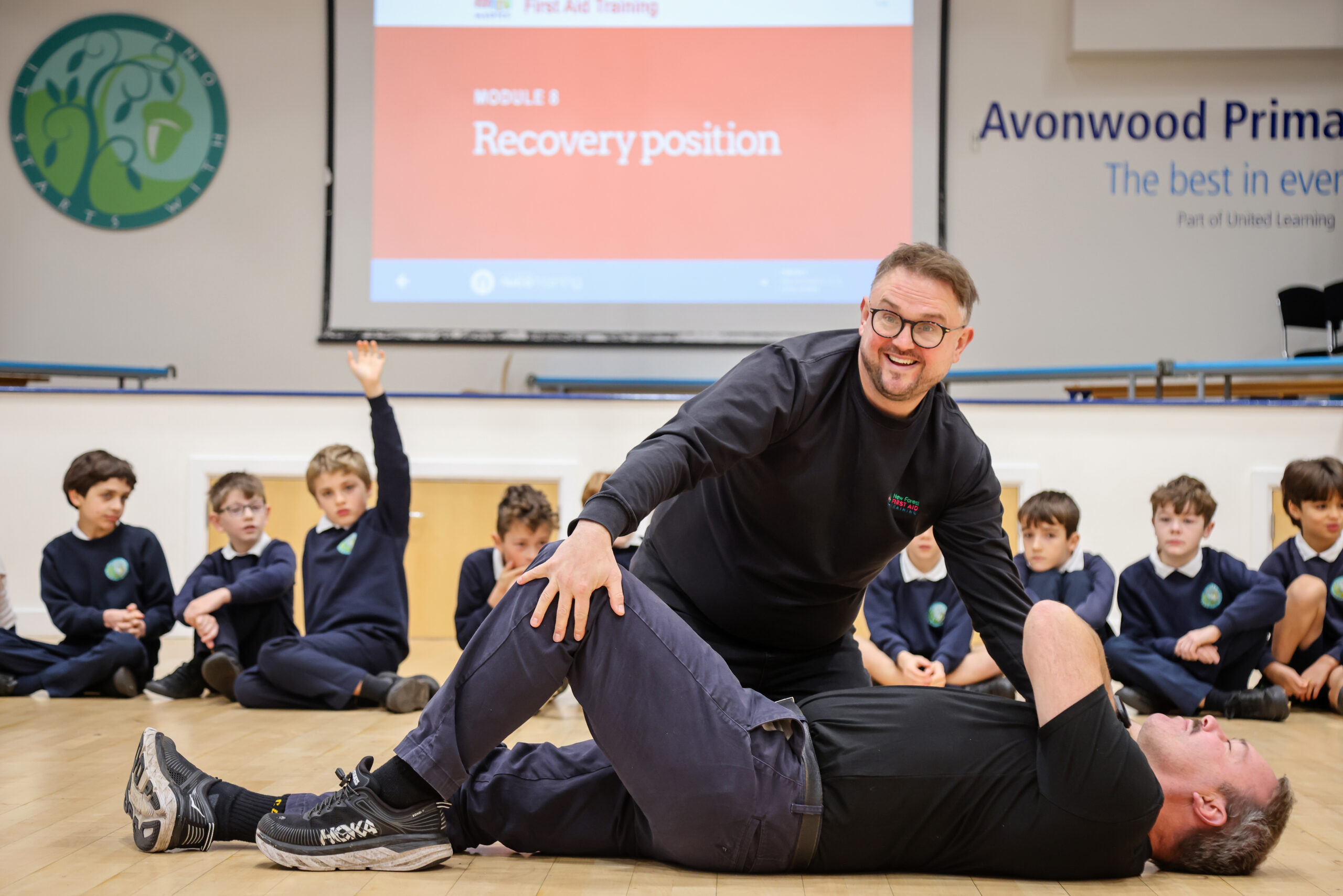
Tomorrows Lifesavers Course Details
TLS: Recognise (Years 3 to 6)
For primary pupils aged 7 to 11, delivered by two trainers.
- Lower: 90 minute session
- Upper: 160 minute session
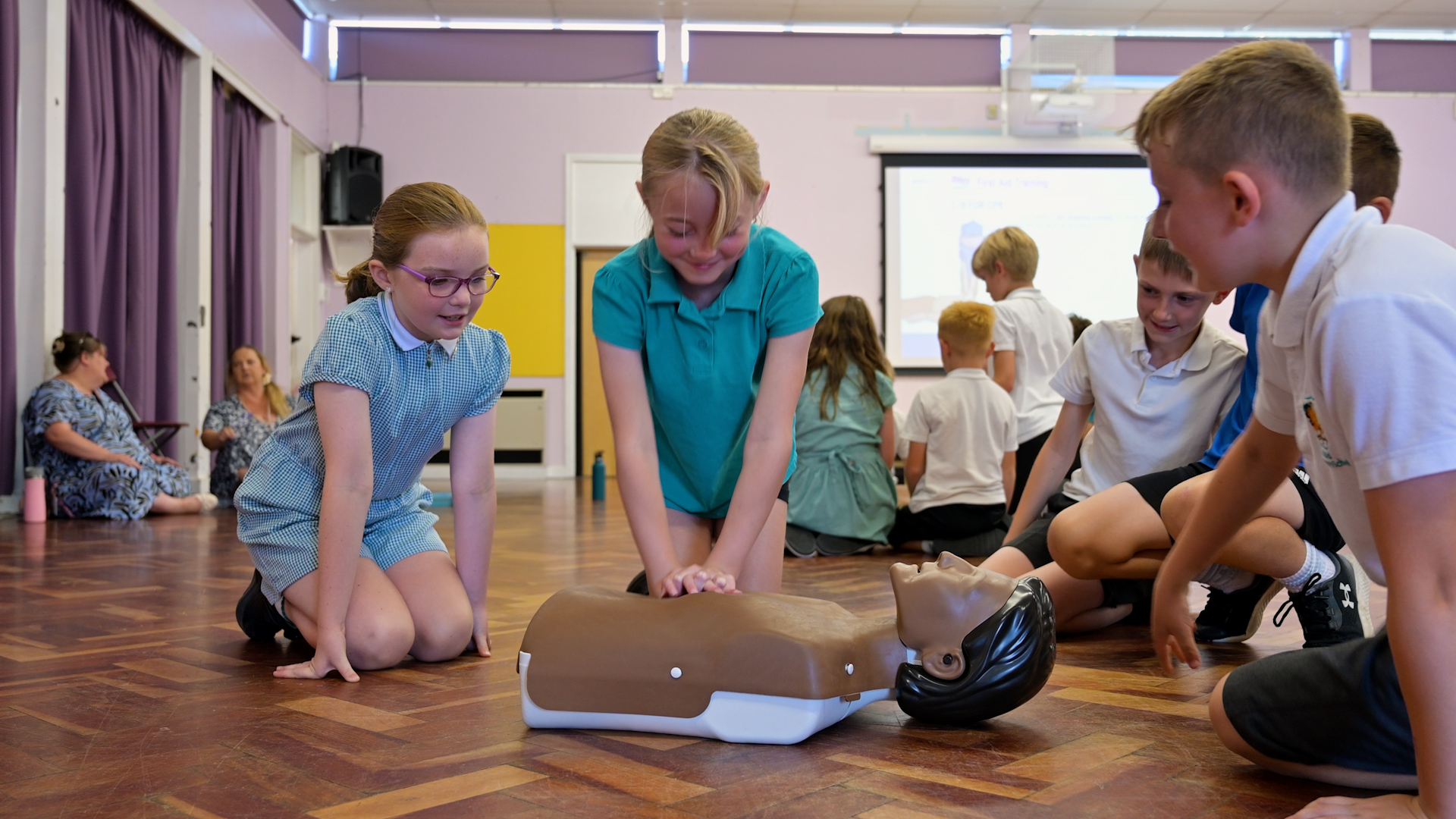
Both cover the five core skills: recognising an emergency, calling 999, hands-only CPR, choking and the recovery position. The Upper session also introduces allergic reactions and anaphylaxis, and asthma attacks, because a primary-age child is as likely to see a classmate react as an adult is.
Non-accredited. Attendance is all that is required.
TLS: React (Years 7 to 9)
A 90 minute session for pupils aged 11 to 14.
- The five core skills, reinforced
- Bleeding and wound care
- Shock
- Burns and scalds
Non-accredited awareness course.
TLS: Respond (Years 10 to 11)
A 90 minute session for pupils aged 14 to 16, building directly on React rather than repeating it.
- The five core skills, reinforced
- Allergic reactions and asthma, reintroduced in fuller detail
- Seizures
- Fractures, sprains and strains
- A deeper trauma module: more serious wound management, shock, injury assessment, burns and scalds in more depth, and catastrophic bleeding
Non-accredited awareness course.
Qualify: Emergency First Aid at Work (Years 12 to 13)
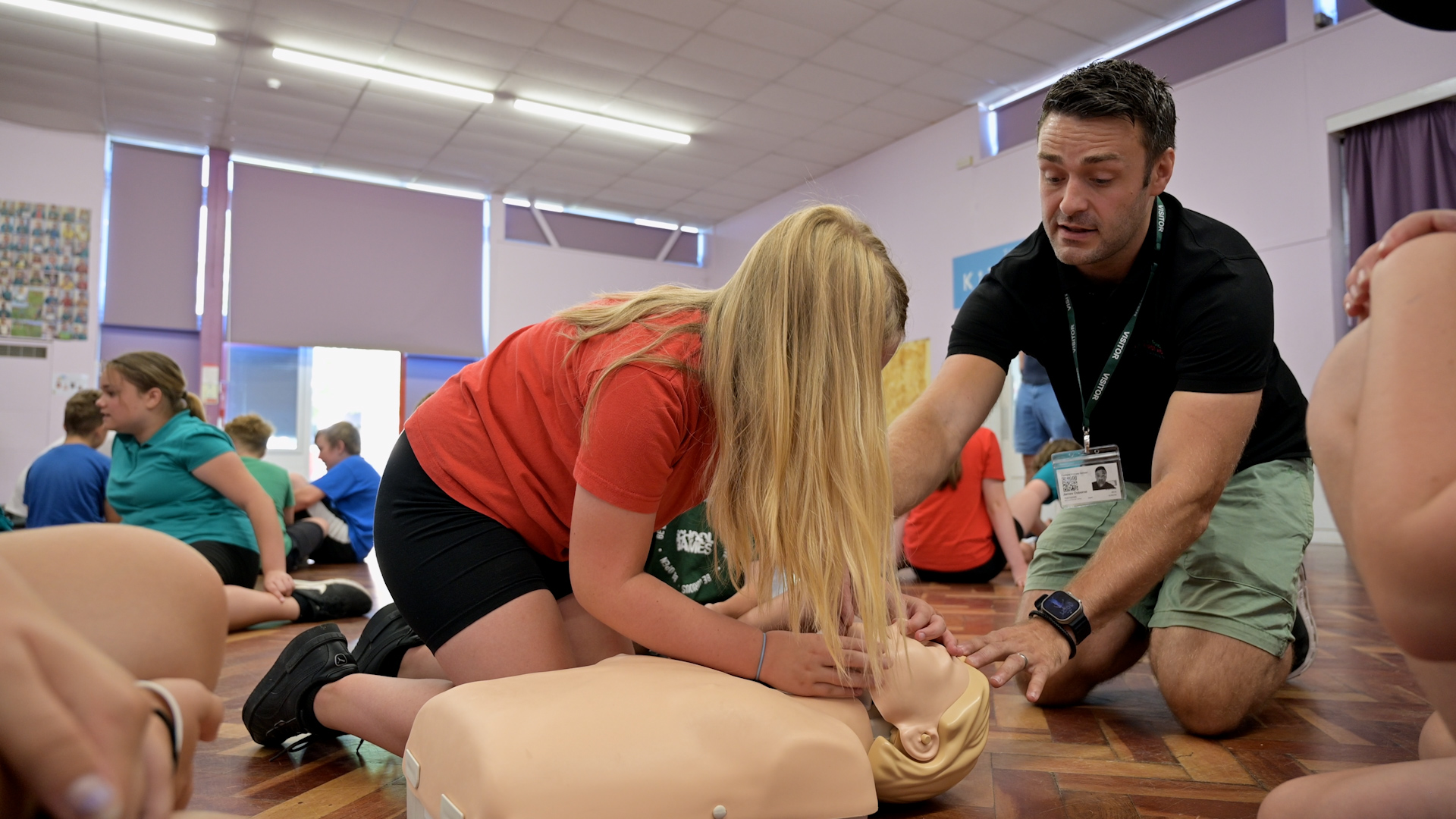
For students aged 16 to 18, the top of the ladder is the accredited Emergency First Aid at Work qualification, awarded through Qualsafe or FAIB.
Everything from the earlier rungs, plus AED use, stroke and heart attack recognition (FAST), diabetic emergencies, poisoning, extreme heat and cold, head, neck and spinal injuries, eye injuries, and incident recording.
Students leave school holding a recognised first aid certificate, valid for three years, that they can take into employment.
Alongside the ladder: Stem and Float
Two options a school can choose because of what their area actually faces. They sit alongside the rung for a pupil’s year group rather than replacing it.
- TLS: Stem (Years 10 to 11): catastrophic bleeding and major trauma in depth, including direct pressure, wound packing and tourniquet application, taught in smaller groups. Stem is a bleeding control life skill and is never delivered as knife crime education.
- TLS: Float (Years 7 to 11): water safety in depth, covering danger at the water’s edge, cold water shock and what to do when someone is in trouble. Aligned to the national Float to Live message, and popular with schools near the coast, rivers and gravel pits.
How a delivery day works
Every school is different, so we build each delivery day around yours. Session lengths, group sizes and timings are agreed with you in advance to fit your timetable and the year groups taking part, wherever possible.
Emergency First Aid at Work is run at the accredited ratios and quoted per cohort.
We come to your school, so pupils learn in a setting they know.